

These 5 food facts just might change your life
Let’s start with the first fact I learnt that changed my life.
To do this I need to take you back to a little weekend away my husband and I had in our campervan. We had driven to one of our favourite spots, spent the day on the water kayaking and SUPing, working up an appetite.
As the sun goes down, the BBQ is on, I’m prepping sides in our little van kitchen as my husband sets up the projector for us to watch a documentary.
I really wish I could remember the name of the doco so I could share it with you because it was the source of how I discovered the first food waste fact I’m sharing with you today.
Food waste fact 1
A head of lettuce takes 25 years to breakdown in landfill and during the process creates toxic methane.

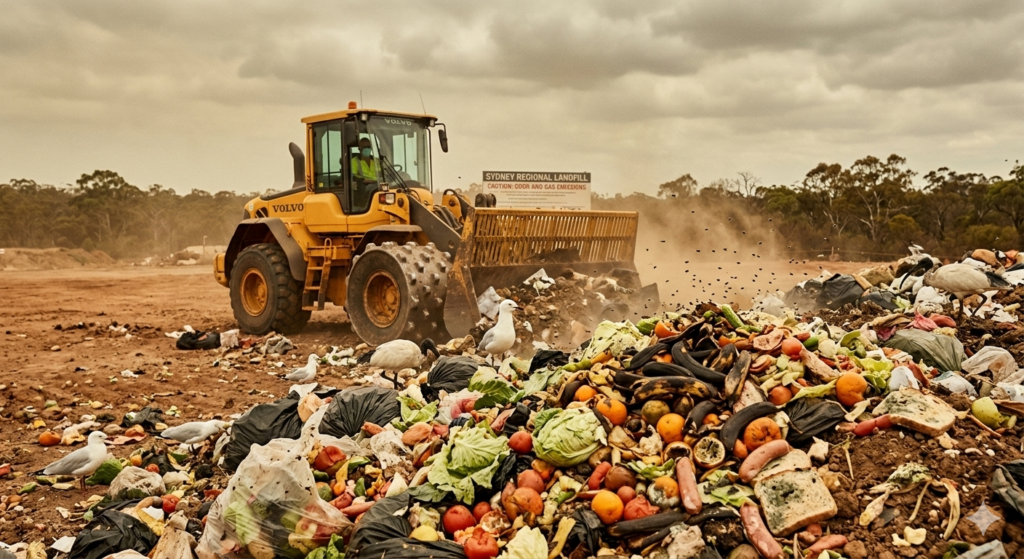
Did you ever stop to think that fruit and vegetable scraps in landfill could do so much damage?
I certainly didn’t.
When I was growing up, my mother like many others, taught my sisters and I not to throw rubbish out the window of the car, although, apples cores, banana peels etc was ok, because it wasn’t rubbish. A funny story about this parental teaching before I move on to share the second food waste fact.
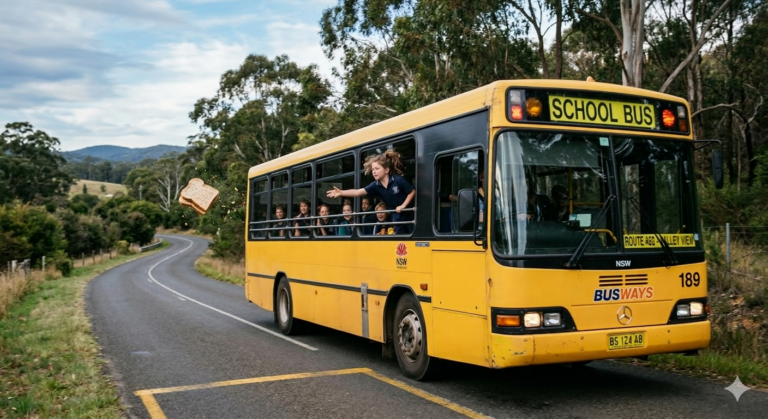
My sister was on the bus coming home from school. She hadn’t eaten her lunch, a sandwich and didn’t want to get in trouble when she got home. So, she took it out of her lunch box, unwrapped it from the cling wrap and threw it out the school bus window.
Suddenly, the bus stops, the driver yells up the bus “who just threw rubbish out the window?” My little sister, who was no more than 10 at the time, stood up and said “it wasn’t rubbish, it’s bread that the birds can eat.” The teachers didn’t share the same view, and she was suspended for a few days for throwing rubbish out the window, but at home our mother couldn’t punish her because my little sister had done exactly what she had taught us to do.
Now I’m not advocating this is necessarily the right lesson to teach our children today, however the concept that food waste should be treated differently to rubbish, is now a huge global conversation.
Food waste fact 2
Living in high density accommodation in Australia, where not all councils are proactively providing FOGO (Food Organics and Garden Organics) bins, to stop food waste going into landfill, means you have no choices – Not true!
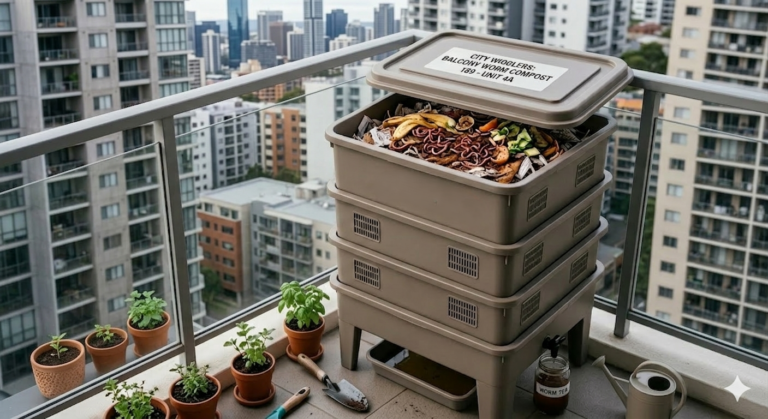
My husband and I live in an apartment, with a small outside area, and our building doesn’t have FOGO bins. So I wanted to start composting as our solution to reduce the food waste we produce. But, my husband who just so happens to be a landscaper, he said we couldn’t have one due to where we live.
I didn’t accept that there was nothing we could do, so I went on a search and found the compost revolution website and discovered a worm farm compost solution.
A worm compost is small, they say you can keep it inside, which means you don’t even need a balcony. Having one of these small compost worm farms can process up to 2 litres of food scraps per week.
I’m not being paid to promote the compost revolution, though if you’re living in an apartment with no FOGO bins and you want to reduce the food waste your household produces going into landfill – go check them out.
Food waste fact 3
The UNEP Food Waste Index Report 2024 key messages states that most of the world’s food waste comes from households, in fact 60% of all the worlds food waste comes from our homes.
In Australia right now, most of the conversation has been about the ‘cost-of-living crisis’. The Foodbank hunger report 2024 states that 3.4 million households in Australia have run out of food in the last year.
So, we have a situation where households are contributing to 60% of the food waste and we’re also struggling to feed ourselves! It all seems hard to believe and somewhat overwhelming to think about how we can help solve the problem.
But this next fact maybe somewhere to start.
Food waste fact 4
Ugly fruits and vegetables, the imperfect looking fruit and vegetables generally rejected from the supermarkets.
According to a study published by Bond University 2.4 billion kgs of food never leaves the farm due to the supermarket’s unrealistic beauty standards.
How can this help? Well, by knowing about ugly fruits and vegetables, and that there are companies dedicated to making them available to you, provides another option to help you reduce food waste going into landfill.
As a by-product, you also help our Aussie farmers with the money you spend on good fresh produce to feed your family and save some money too.
Where can you find ugly fruits and vegetables in Australia?
- Farmers Picks rescues imperfect produce rejected by the supermarkets and offers boxes which they say are 30% cheaper than supermarkets
- Good&Fugly deliver real produce to your door
- Harris Farm Markets imperfect picks a family owned and operated grocery chain.
Again, I’m not being paid to promote any of these companies. I’m just sharing the options I’ve found, with you.
Food waste fact 5
End food waste states that in Australia, through-out the entire grow, buy and sell process, food is being wasted.
22% during Production
17% during processing
3% during distribution
16% during wholesale & retail
16% from hospitality
3% from institutions
32% from Australian households
The purpose of me sharing these food waste facts is to first make you pause and realise that everyday actions, such as buying and cooking food is contributing to the environmental issues we are facing today.
More importantly, we can all start becoming part of the solution, and it’s not that overwhelming after all.